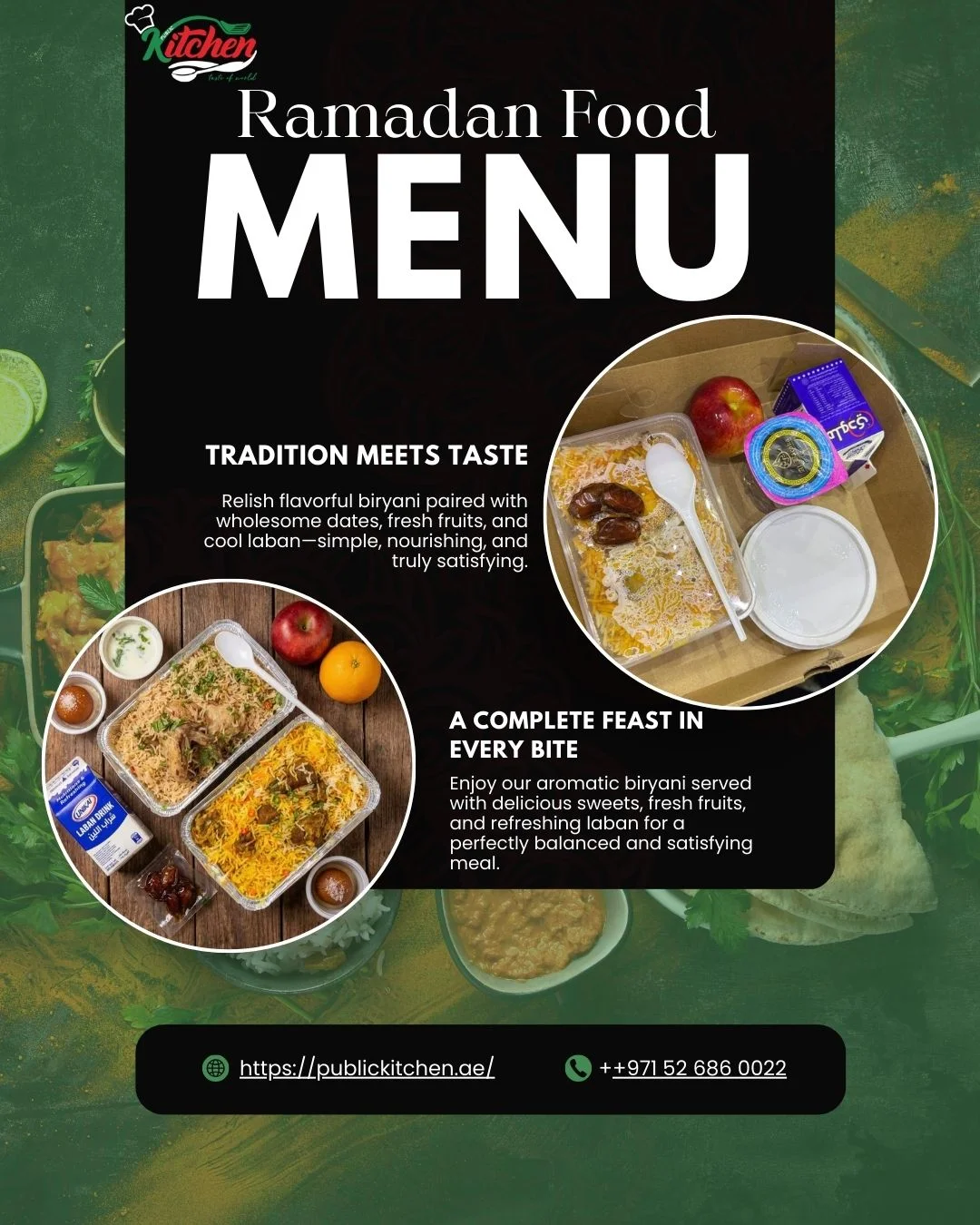
Ramadan fasting changes your entire eating schedule for a month. You go from eating three meals a day to eating only during specific hours. Many people worry about losing energy, gaining weight, or feeling weak during this time.
But here’s the truth: you can stay healthy, fit, and energized throughout Ramadan if you understand how to eat right and take care of your body.
Table of Contents
- Understanding Your Body During Ramadan
- What to Eat at Iftar
- Your Iftar meal should include:
- Suhoor: The Most Important Meal
- Staying Active During Ramadan
- The Bottom Line
Understanding Your Body During Ramadan
When you fast from sunrise to sunset, your body goes through changes. For the first few days, you might feel tired or get headaches. This happens because your body is adjusting to the new schedule.
Your metabolism slows down to save energy. This is actually your body’s way of protecting you. But it also means you need to be smart about what you eat when you break your fast.
The key is not to think of Iftar as a chance to eat everything you’ve missed during the day. Instead, think of it as fuel for your body that needs to last until the next day.
What to Eat at Iftar
Breaking your fast the right way makes all the difference. Start with dates and water, just like tradition teaches us. Dates give you quick energy, and water helps your body rehydrate after hours without drinking.
Then wait a few minutes before eating your main meal. This gives your stomach time to wake up and prepare for food. Rushing into a heavy meal right away can make you feel sick and bloated.
Your Iftar meal should include:
A good source of protein like chicken, fish, or meat. Protein keeps you full and helps your muscles stay strong.
Complex carbohydrates like rice, bread, or pulao. These give you energy that lasts longer than simple sugars.
Vegetables and salads. These provide vitamins and fiber that help your digestion work properly.
Healthy fats from sources like olive oil or nuts. Your body needs some fat to absorb vitamins and stay healthy.
Suhoor: The Most Important Meal
Suhoor might be even more important than Iftar. This pre-dawn meal is what keeps you going all day. Don’t skip it, even if you feel tired or want to sleep longer.
Eat foods that release energy slowly. Oatmeal, whole-grain bread, eggs, and yogurt are excellent choices. These foods digest slowly and keep you feeling full for hours.
Drink plenty of water during Suhoor. Your body needs this water to stay hydrated throughout the fasting hours. Avoid salty foods because they make you thirsty during the day.
Staying Active During Ramadan
Many people stop exercising during Ramadan because they think fasting means they should rest. This is a mistake. Your body still needs movement to stay healthy.
The best time to exercise is either right before Iftar or about two hours after breaking your fast. If you exercise before Iftar, keep it light. Walking or gentle stretching works well.
After Iftar, once your food has settled, you can do more intense exercise. Going to the gym, jogging, or playing sports are all good options. Just make sure you drink enough water during and after exercise.
The Bottom Line
Ramadan fasting doesn’t have to leave you feeling weak or unhealthy. With the right approach to eating and staying active, you can actually feel better during Ramadan than you do during regular months.
Listen to your body, eat balanced meals, stay hydrated when you can, and don’t forget to move. These simple steps will help you maintain your fitness and health while honoring this special month.
Order Now