
- July 9, 2026
- by: Public Kitchen Team
- No Comments
Feeding vulnerable communities is one of the most meaningful things an organisation can do. But good intentions alone don’t fill plates.
Food distribution for the poor, whether it’s a one-off community event, a regular charitable programme, or a large-scale hunger relief initiative requires real planning. The stakes are high. People are counting on you to get it right.
We’ve worked with charities, mosques, community groups, and nonprofit food programmes across the UAE. Here’s what every organiser needs to know before they start.
1. Know Exactly Who You’re Feeding Before You Plan Anything Else
This sounds obvious. But many food distribution programmes run into trouble because they start planning meals before they truly understand who’s receiving them.
Feeding vulnerable communities means understanding the specific people in front of you. Are you serving workers in a labour camp? Families in low-income housing? Individuals at a mosque or community centre during Ramadan?
Each group has different needs. Portion sizes, dietary preferences, cultural considerations, and logistical access all vary. A meal plan that works for one context can completely miss the mark in another.
Before quantities, before menus, before logistics, you need to start with the people.
2. Accurate Numbers Are the Foundation of Responsible Food Distribution
Underestimating numbers means people go without. Overestimating significantly leads to waste, which is both costly and, in the context of charitable food initiatives, ethically uncomfortable.
Responsible food distribution starts with realistic estimates based on the community you’re serving. Build in a sensible buffer around 10 to 15 percent above your expected count is a reasonable starting point.
If you’re running a recurring programme, track actual turnout over time and adjust your ordering accordingly. The numbers will stabilise, and your food donation logistics will become more precise with each cycle.
3. Meal Distribution Programmes Need a Clear Delivery and Serving Plan
Getting food to a distribution point is only half the job. How it gets from the delivery point to the people eating it determines whether the whole operation runs smoothly or turns into a bottleneck.
Think through:
Where food will be received and how it’ll stay at the right temperature. How the serving queue will be organised to move people through efficiently. Whether you have enough serving equipment, such as trays, containers, and utensils for your numbers. Who is responsible for each part of the chain on the day.
A meal distribution programme that hasn’t thought through its serving logistics often creates the very chaos it was trying to prevent. Plan the flow before the day arrives.
At Public Kitchen, we offer food boxes and kits that make it easier for you to serve food to people in large numbers. It also avoids the cost of buying disposables in bulk.
4. Bulk Meal Preparation at Scale Requires the Right Partner
Most charitable organisations, such as mosques, nonprofits, and community groups, don’t have industrial kitchen infrastructure. And they shouldn’t need to.
Trying to prepare hundreds of meals in a domestic or semi-commercial kitchen is one of the most common reasons food distribution programmes underdeliver. The volume simply outstrips the capacity.
Large-scale meal preparation for hunger relief initiatives requires commercial-grade cooking infrastructure, experienced teams, and reliable supply chains for ingredients. This is what a dedicated food service provider brings.
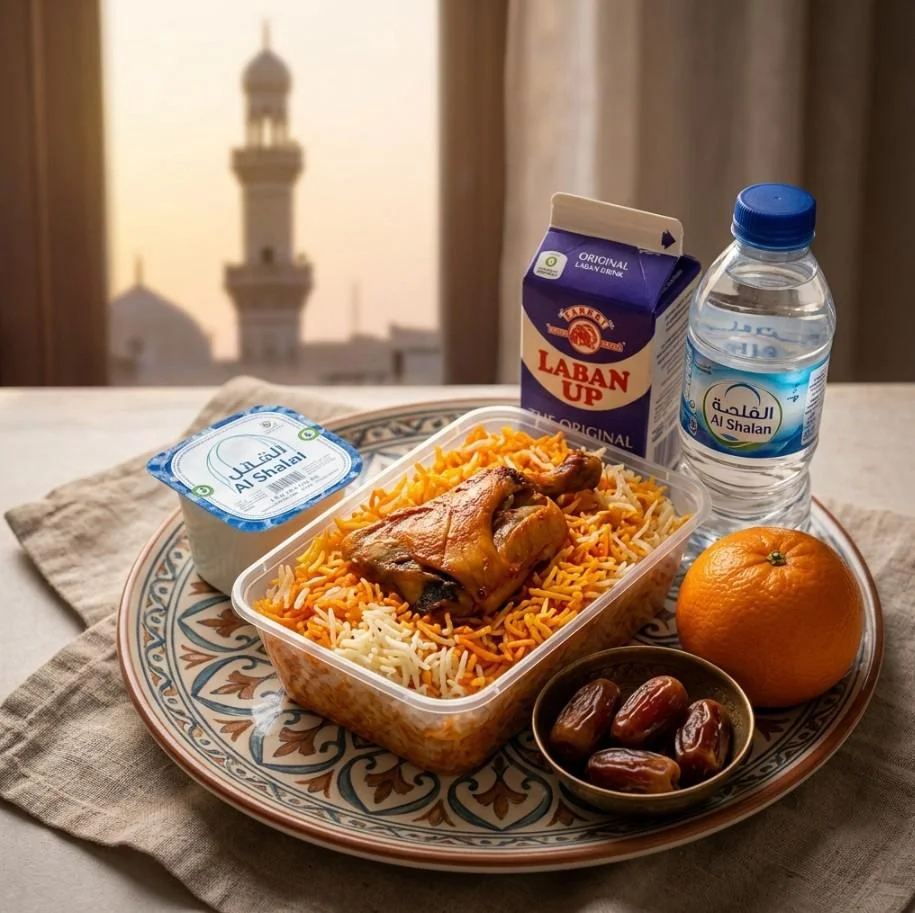
Public Kitchen works with charitable organisations and community groups across the UAE specifically for this purpose. We handle bulk meal preparation for food distribution programmes whether it’s a one-time Ramadan Iftar event or a regular weekly feeding programme at the scale your initiative actually needs.
5. Food Safety Is Non-Negotiable in Community Food Distribution
This is the area where the consequences of getting it wrong are most serious.
Community food distribution involves serving food to people who may already be in vulnerable health conditions. Food safety protocols, such as temperature management, hygiene during preparation, safe transport, and correct serving practices aren’t optional extras. They’re the baseline.
When working with a professional food service partner, make sure they follow strict food safety practices throughout the entire chain from preparation through delivery to serving.
If your organisation is managing any part of the food handling in-house, train your volunteers on basic food safety before the programme begins. Don’t assume that good intentions are enough to keep food safe.
6. Community Outreach Programmes Work Better With a Consistent Schedule
One-off food distributions do real good. But recurring community food distribution programmes that happen every week, every month, or every Ramadan build something more: trust and reliability.
When vulnerable communities know that food will be available at a specific time and place, they plan around it. It becomes part of their weekly rhythm. The food insecurity they face is reduced not just on the days food is distributed, but psychologically because they know it’s coming.
Reducing food insecurity at a community level requires consistency, not just volume. If your organisation can commit to a regular schedule, even a modest one, that consistency matters more than you might expect.
Public Kitchen supports organisations that run regular food donation programmes with consistent ordering, reliable delivery, and menu variety that keeps the experience dignified for recipients.
7. Dignity Matters as Much as the Meal Itself
This is the thing that sometimes gets lost in the logistics of large-scale food distribution.
The people receiving food are not just beneficiaries on a spreadsheet. They’re individuals. How the meal is presented, how the serving process is organised, and how volunteers and staff interact with recipients all shape the experience of receiving food.
Feeding vulnerable communities with dignity means:
Hot food served at the right time, not cold leftovers delivered late. Proper serving setups, not a disorganised scramble. Menu quality that reflects genuine care, not just volume. Interaction that’s respectful and warm.
Nonprofit food programmes that get this right do more than feed people. They reinforce the dignity of everyone involved. That’s what responsible food distribution actually looks like.
How Public Kitchen Supports Food Distribution Programmes in the UAE
We work with mosques, charities, community organisations, and labour welfare programmes across the UAE to provide meals at the scale and consistency that food distribution initiatives require.
Our approach is straightforward. You tell us the numbers, the schedule, and any dietary requirements. We handle the bulk meal preparation, packaging, and delivery. You focus on the community work.
We support one-time events, weekly programmes, Ramadan Iftar distributions, and round-the-year charitable meal initiatives. Orders are flexible — we work around your schedule and your needs, not the other way around.
FAQs: Food Distribution for Poor
Q: How do I estimate the right quantity of food for a community distribution programme?
Start with your best estimate of attendees based on previous experience or community size, then add a 10 to 15 percent buffer. Track actual turnout over the first few cycles and adjust. Working with a bulk meal provider like Public Kitchen means you can scale up or down without significant waste or shortfall.
Q: Can Public Kitchen support Ramadan Iftar food distribution for large groups in the UAE?
Yes. We work with mosques, charities, and community organisations to provide large-scale Iftar meals during Ramadan. We handle bulk preparation and timely delivery so your organisation can focus on the community experience rather than food logistics.
Q: What is the most important factor in running a successful community food distribution programme?
Consistency and planning. A well-planned food distribution that runs reliably builds real trust with the communities it serves. The most impactful programmes aren’t necessarily the largest. They’re the ones that show up on time, every time, with food that’s safe, sufficient, and served with care.
Order Now