

- June 25, 2026
- by: Public Kitchen Team
- No Comments
Running meal programmes for labour accommodations is not as simple as cooking large quantities of food and dropping it off. We have seen what works and what quietly fails, and the difference between the two affects the health, morale, and productivity of an entire workforce.
If you manage a labour camp, a construction site, or a large worker accommodation in Dubai, here is what actually makes a meal programme worth running.
Quick Answer: What Makes an Ideal Meal Programme for Labour Accommodations?
A successful meal programme for labour accommodations should provide:
- Consistent meal delivery at scheduled times
- Nutritionally balanced meals that support physical work
- Adequate portion sizes for workforce energy needs
- Menu variety throughout the week
- Reliable food safety practices
- Delivery schedules aligned with worker shifts
- Scalable meal planning for changing workforce sizes
When these elements work together, employers can support worker wellbeing, productivity, and satisfaction while simplifying meal management across labour accommodations.
Why Meal Consistency Matters More Than Most People Realise
Workers in labour accommodations depend on their meals. They plan their day around them. When a meal is late, smaller than expected, or lower quality than the day before, it creates frustration and it chips away at trust.
It means:
- Meals arrive at the same time every day
- Portion sizes stay predictable
- Quality does not fluctuate based on supply pressures
This sounds basic, but in large-scale food for labour camps in Dubai, it is harder to maintain than it looks. That is why this is the first thing we focus on when setting up any labour meal programme in Dubai.
Nutrition Has to Be Built into the Plan from the Start
Feeding a workforce is not the same as cooking for a restaurant. These are physically active people doing demanding work, often for long hours. Their calorie and nutrient needs are higher than average.
A proper labour accommodation food service plans for:
- Enough calories to cover heavy physical activity (2,800–4,000 calories per day for most labourers)
- Protein at every main meal to support muscle repair
- Complex carbohydrates like rice, bread, and lentils for sustained energy
- Vegetables and fruit where possible for vitamins and minerals
- Hydration support, thus meals should always come with access to clean drinking water
Occupational health research has consistently shown that adequate nutrition supports worker energy levels, reduces fatigue, and contributes to workplace productivity, particularly among physically demanding occupations.
Why Dubai’s Climate Influences Meal Planning
Workers performing physically demanding jobs in Dubai often face high temperatures for much of the year. This makes hydration, meal timing, and adequate calorie intake particularly important. A well-designed meal programme should account for both nutritional needs and environmental conditions to help workers maintain energy levels throughout their shifts.
Food Variety Keeps Workers Engaged and Well-Nourished
Eating the same meal every day is not just boring but it also leads to nutritional gaps over time. A good workforce meal planning approach builds in variety across the week.
This does not mean expensive or complicated menus. It means rotating dishes across a weekly cycle so workers get exposure to different protein sources, different vegetables, and different preparation styles.
For labour camps with workers from diverse backgrounds, which is common in Dubai, meal variety also means offering food that feels familiar and satisfying to different nationalities. When workers enjoy their meals, they eat better, and that matters.
Example Weekly Meal Rotation for Labour Accommodations
A balanced labour meal programme typically rotates:
- Different protein sources throughout the week, such as chicken, meat, fish, legumes, and vegetarian options
- A mix of rice dishes, bread, and other carbohydrate sources for sustained energy
- Fresh vegetables and fruit where possible
- Hydration-focused additions such as water, laban, or other suitable beverages
- Culturally familiar meal options that reflect the workforce’s backgrounds
Rotating meals throughout the week helps maintain variety while ensuring workers receive a broader range of nutrients and do not become fatigued by repetitive menus.
Rather than relying on a fixed menu, many employers choose meal programmes that rotate dishes across the week based on workforce preferences, nutritional requirements, and operational needs. This approach helps maintain variety while ensuring workers continue receiving balanced, satisfying meals over the long term.
How Often Should Meals Be Delivered to Labour Accommodations?
When employers choose to provide meals for workers, many labour accommodation meal programmes follow a three-meal daily structure consisting of breakfast, lunch, and dinner. Some operations also include light snacks for workers on longer shifts. The exact schedule depends on company policy, workforce needs, and site location.
Logistics and Food Safety Cannot Be Treated as Afterthoughts
Bulk meals for labour camps travel from a central kitchen to a delivery point, sometimes across a busy city. During that journey, food safety standards must hold.
That means:
- Proper packaging that maintains temperature
- Transport that prevents contamination
- Meal labelling so distribution at the site is organised
- Timing that ensures food is consumed while still fresh
Meal distribution for workers at scale is a logistical operation, not just a cooking operation. We handle both.
What We Offer Through Public Kitchen
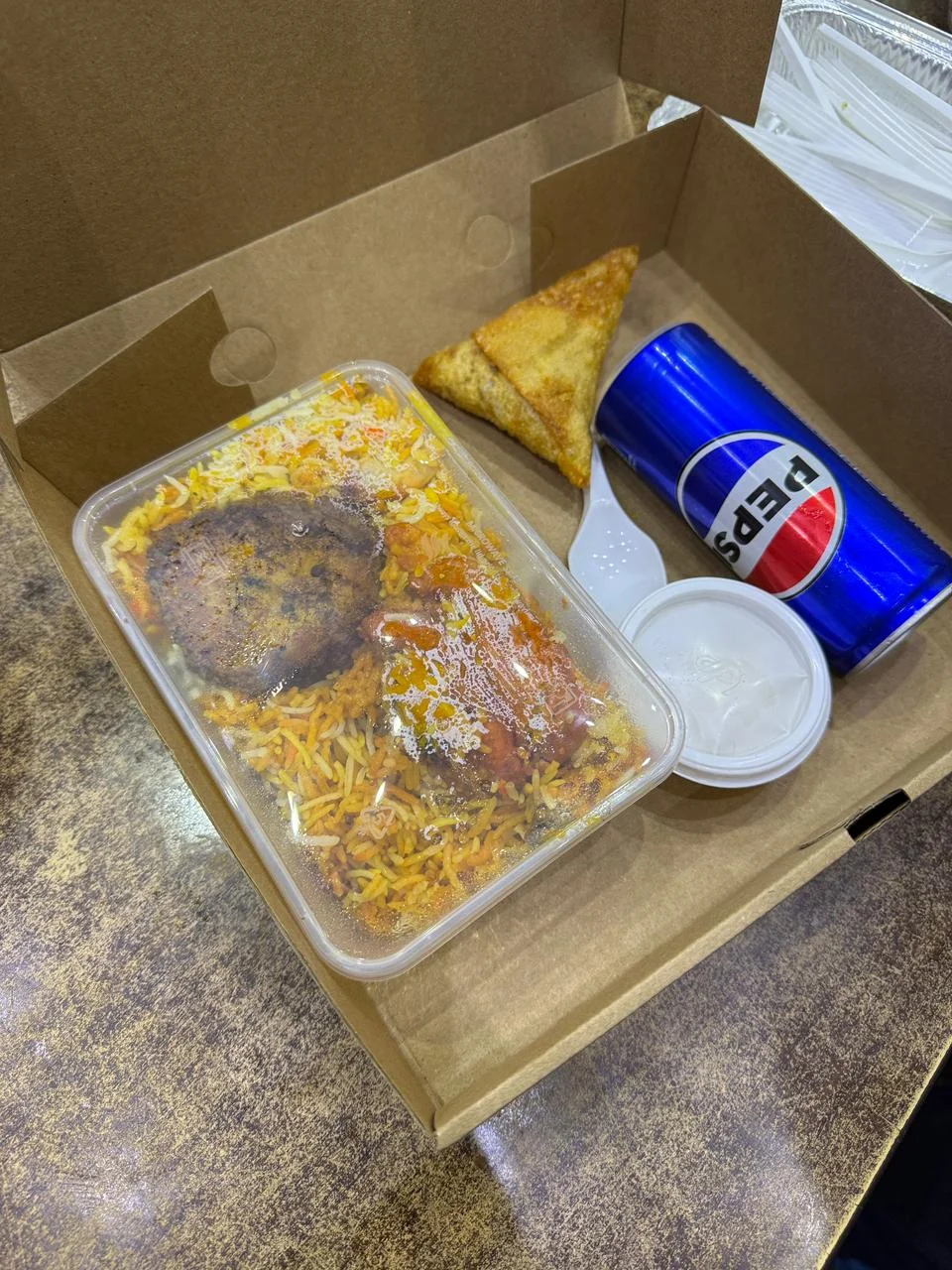
At Public Kitchen, we provide daily meal kits in Dubai for construction sites, large worker accommodations, Masjids, and charities running bulk feeding programmes throughout the year, including Ramadan Iftar meal distributions.
We can work with you on:
- Daily meal delivery for labour camps
- Weekly or monthly bulk meal arrangements
- One-time large orders for events or special occasions
- Customised menus based on worker demographics and dietary needs
Whether you need meals for 50 workers or 500 or more, we plan and deliver without cutting corners.
FAQs
What makes a successful labour meal programme?
A successful labour meal programme combines consistent delivery times, nutritionally balanced menus, adequate portion sizes, and reliable food safety practices. Variety in the menu and meals suited to the workforce’s cultural backgrounds also improve worker satisfaction and overall meal uptake.
How often should meals be delivered to labour camps?
There is no universal requirement for how often meals must be delivered to labour camps. In the UAE, employers are generally not legally required to provide food for workers in standard city locations, provided workers have access to food and receive the required break periods during their workday.
However, many companies choose to provide daily meal programmes as part of their worker welfare and accommodation arrangements. In remote locations where workers have limited access to shops, restaurants, or transportation, employers may provide meals directly to workers.
The frequency of meal delivery depends on the company’s policy, workforce size, work schedule, and site location. Where meals are provided, many employers opt for breakfast, lunch, and dinner schedules to ensure workers have reliable access to food throughout the day.
How can employers improve worker meal satisfaction?
Employers can improve worker satisfaction by ensuring meals are delivered on time, offering variety across the weekly menu, including culturally familiar dishes, maintaining consistent portion sizes, and working with a reliable bulk meal distribution service that understands large-scale workforce nutrition needs.
Why is meal variety important in labour accommodations?
Meal variety helps prevent menu fatigue and encourages workers to eat consistently. Rotating different protein sources, vegetables, grains, and preparation styles throughout the week can also support more balanced nutrition. In labour accommodations with workers from diverse cultural backgrounds, variety helps ensure meals remain satisfying and appealing over the long term.
How do meal programmes affect worker productivity?
A well-planned meal programme can support worker energy levels, concentration, and overall wellbeing. Workers performing physically demanding jobs rely on adequate calories, hydration, and balanced nutrition to maintain performance throughout the day. Consistent access to nutritious meals may also help reduce fatigue and improve worker satisfaction.
What foods are best for physically demanding jobs?
Workers performing physical labour typically benefit from meals that combine carbohydrates, protein, healthy fats, and fluids. Rice, bread, lentils, chicken, meat, fish, eggs, vegetables, fruit, and dairy products can all play an important role in supporting energy, recovery, and hydration. The ideal meal plan depends on the nature of the work, working hours, and workforce preferences.
How should employers plan meals for workers during summer?
During Dubai’s hotter months, meal planning should place additional emphasis on hydration, electrolyte replacement, and sufficient calorie intake. Workers exposed to high temperatures may experience greater fluid loss and physical strain, making regular access to water and balanced meals especially important. Employers providing meal programmes should consider seasonal conditions when planning portion sizes, meal timing, and hydration support.
Order Now